
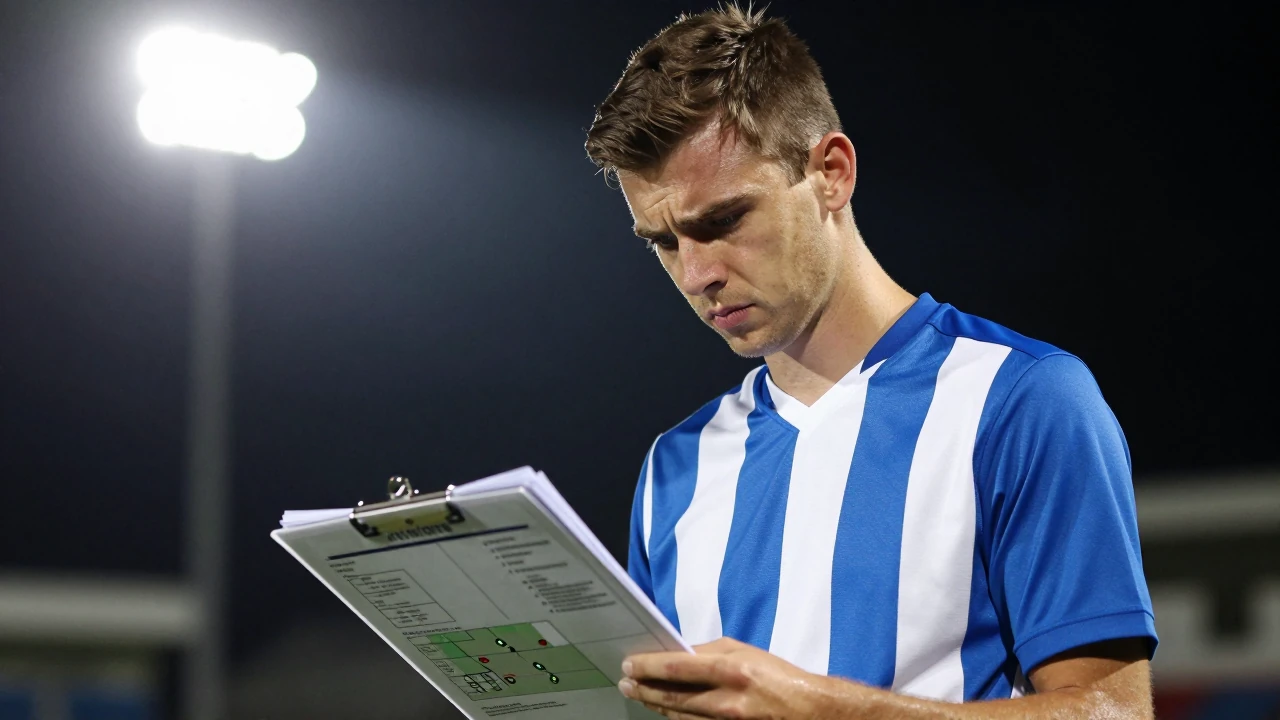
As Hartlepool United navigates the challenging waters of the National League, their recent form has unveiled both strengths and weaknesses in their tactical setup. While the Pools have displayed moments of brilliance, particularly in their attacking transitions, a closer examination reveals potential tweaks that could elevate their game further.
One noticeable aspect of Hartlepool's current strategy is their reliance on width. The full-backs, often pushing forward to support the wingers, have created numerous opportunities from the flanks. However, this can leave the team vulnerable during counter-attacks, especially when the opposing side regains possession. To mitigate this risk, a more conservative approach from the full-backs may be beneficial, allowing one of them to stay back while the other ventures forward. This would not only provide additional defensive cover but also allow for a more structured transition from defense to attack.
Moreover, the midfield dynamics have been a point of contention. While the Pools have shown creativity in the final third, there have been instances of congestion in midfield, leading to a lack of fluidity in passing. Implementing a more staggered midfield setup could enhance ball retention and create better passing lanes. Pairing a more defensive-minded midfielder with two attacking players could create a balance that allows for both defensive solidity and creative freedom in attack.
In recent matches, Hartlepool's pressing strategy has been inconsistent. While high pressing can be effective, it requires coordination and stamina from the players. Tweaking the intensity and timing of their pressing could yield better results. Rather than a full-team press, a more selective approach-pressing only in certain areas of the pitch-might conserve energy and allow for a more compact defensive shape when the opposition is in possession.
Additionally, set pieces have been an underutilized aspect of Hartlepool's game. With players like H. Conyard and N. Ferguson capable of causing havoc in the opposition's box, focusing on rehearsed routines could give the Pools an edge. Introducing varied routines could keep opponents guessing and lead to more goal-scoring opportunities from corners and free-kicks.
Lastly, squad rotation should not be overlooked. The National League season is long and grueling, and fatigue can set in quickly. By ensuring that players are rotated effectively, Hartlepool can maintain a high level of performance throughout the season. This also provides younger players with valuable experience, which could pay dividends as the season progresses.
In summary, while Hartlepool has displayed commendable spirit and skill in their recent matches, small tactical adjustments could lead to greater consistency and effectiveness. By refining their formation, enhancing midfield dynamics, sharpening their pressing strategy, capitalizing on set pieces, and managing player fatigue, the Pools can not only aim for a successful season but also build a solid foundation for the future.