Introduction
Hartlepool United, affectionately known as the Pools, have shown glimpses of potential but have struggled to find consistent form in the National League. As the team approaches a crucial phase of the season, it’s imperative to assess their tactical setup and make necessary adjustments to maximize their strengths and address weaknesses.
Current Tactical Setup
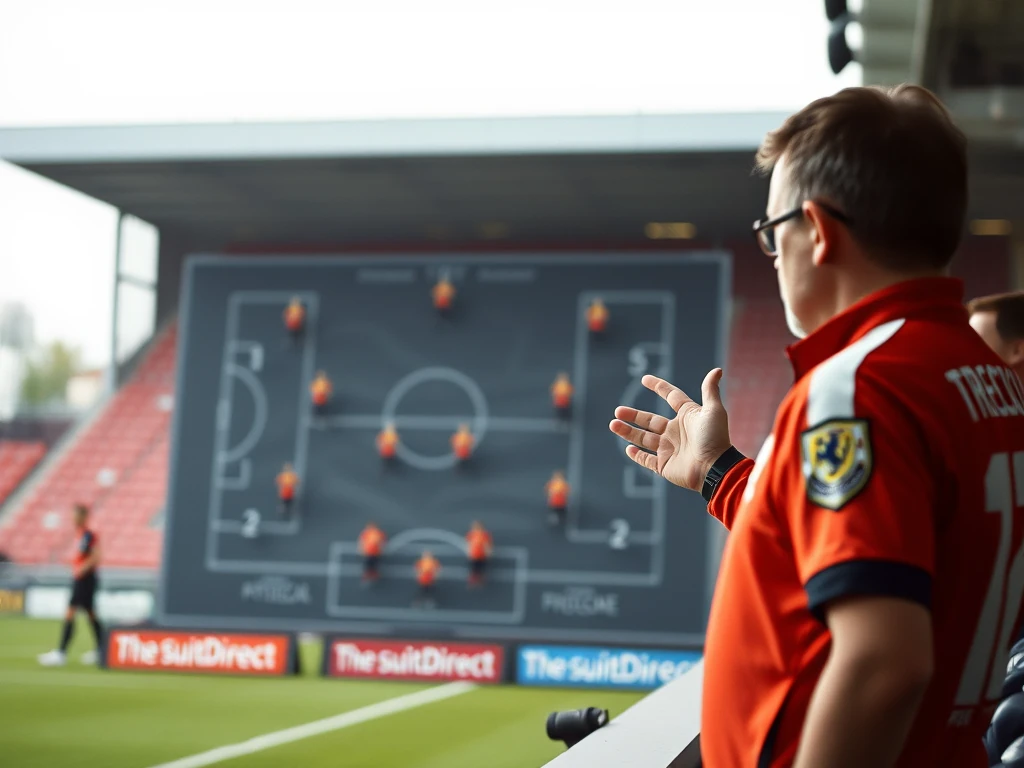
Under the guidance of the coaching staff, Hartlepool has predominantly utilized a 4-3-3 formation, aiming to balance defensive solidity with attacking flair. This setup allows for a fluid transition from defense to attack, but recent matches have revealed a tendency to become predictable, particularly when facing organized defenses. The midfield, while industrious, often lacks the creative spark needed to unlock opposition defenses, and the forwards occasionally find themselves isolated, reducing their effectiveness.
Midfield Dynamics
One area that stands out for potential improvement is the midfield trio. Currently, the Pools rely heavily on their central midfielders to provide both defensive cover and attacking support. However, introducing a more dynamic player into an advanced midfield role could create additional opportunities. This player could engage in intelligent movements, drawing defenders out of position and allowing the forwards more space to operate. By shifting to a 4-2-3-1 formation, Hartlepool could employ a more balanced midfield, with two holding players providing protection while a more attacking midfielder can push forward and link play with the strikers.
Wing Play and Full-Back Involvement
Another tactical tweak could involve re-evaluating the role of the wingers and full-backs. Currently, the wide players are tasked with providing width but often drift inside, leading to congestion in the central areas. Encouraging wingers to stretch the pitch further could create more one-on-one situations, allowing them to exploit their pace and dribbling skills. Simultaneously, full-backs should be instructed to overlap more frequently, providing additional attacking options and creating overloads on the flanks. This dual approach can enhance Hartlepool’s attacking width and provide more avenues to penetrate the opposition’s defense.
Defensive Cohesion
Defensively, while the Pools have demonstrated resilience, there have been moments of uncertainty, particularly during set pieces. Ensuring that communication among defenders is prioritized will be key. Implementing specific drills during training focused on defensive organization can help the backline maintain better shape and cohesion. Furthermore, introducing a more aggressive pressing strategy when the opposition has the ball can disrupt their rhythm and prevent them from settling into a passing game, thereby reducing the pressure on Hartlepool's back four.
Conclusion
As Hartlepool navigates the challenges of the National League, making these tactical adjustments could provide the spark needed to elevate their performances. By rethinking the midfield dynamics, enhancing wing play, and solidifying defensive cohesion, the Pools have the opportunity to improve their overall game. With the right tweaks, Hartlepool can look forward to a more competitive and successful season ahead.