 Hartlepool Hub
As Hartlepool United navigates through the challenging waters of the National League, a closer look at their recent form reveals a need for tactical tweaks to bolster consistency and performance. While there have been promising moments, particularly in attacking play, the team’s defensive stability and midfield connectivity have often faltered, leading to dropped points that could prove costly in the long run.
The Current Landscape
In their recent outings, Hartlepool has demonstrated an ability to create goal-scoring opportunities, with a focus on wing play and utilizing the pace of their forwards. However, the team's defensive structure has been less than solid, with opponents frequently exploiting gaps left by the full-backs during transitional phases. This imbalance has left the defense vulnerable, particularly against teams that excel in counter-attacking football.
Suggested Tactical Adjustments
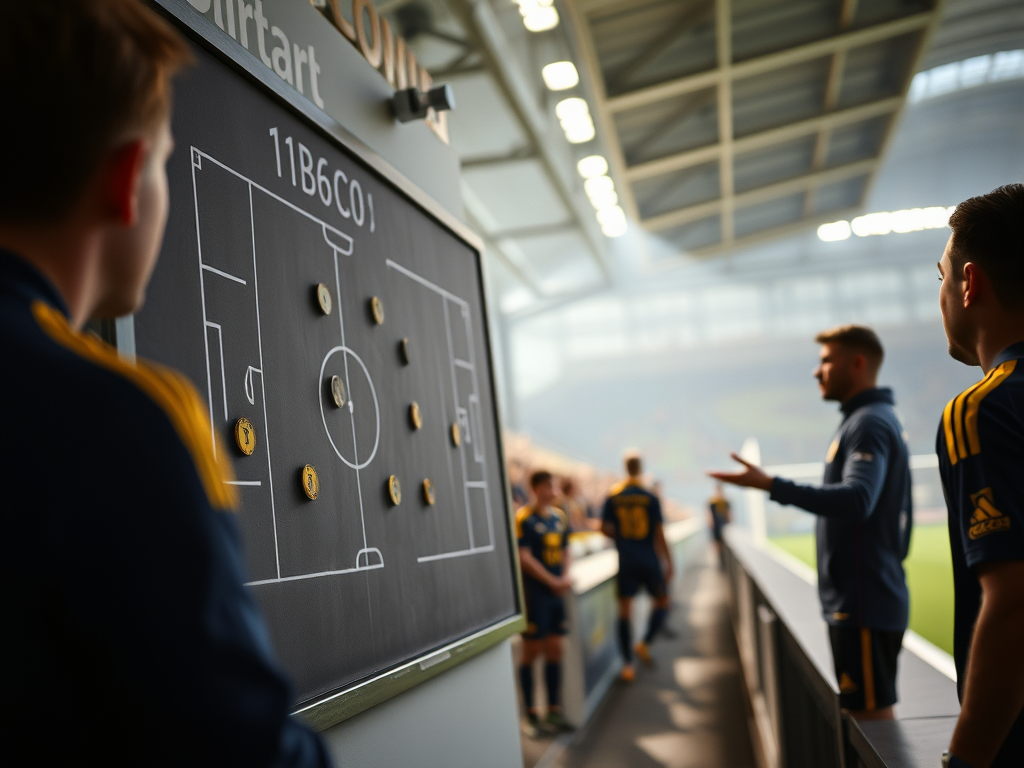
1. Formation Reassessment: While the current 4-4-2 formation has its merits, a shift to a 4-2-3-1 could provide additional stability in midfield. This adjustment would allow for a double pivot, enhancing ball retention and distribution while providing a safety net for the back four. The additional midfielder could also link play more effectively between defense and attack, crucial for dominating possession.
2. Midfield Dynamic: To strengthen the midfield, introducing a more mobile and creative player could allow Hartlepool to dictate the tempo. Players like M. Daly could be given more freedom to roam, thus exploiting spaces and providing key passes to the forwards. This change would not only improve offensive output but also help in tracking back during defensive transitions.
3. Wing Play Enhancement: Hartlepool’s attacking play has thrived on width, and utilizing overlapping full-backs can create overloads on the flanks. Encouraging wingers to cut inside while the full-backs bomb forward could stretch the opposition and create goal-scoring opportunities. This tactic requires good communication and understanding between the wingers and full-backs to ensure defensive cover is maintained.
4. Defensive Solidity: Tightening the defensive line is crucial. Encouraging defenders to maintain a higher line and play a more proactive role in intercepting passes can reduce the space available for opposing attackers. Moreover, implementing a zonal marking system during set-pieces can help in minimizing the risk of conceding goals from dead-ball situations.
Conclusion
By integrating these tactical adjustments, Hartlepool United can capitalize on its strengths while addressing the vulnerabilities that have plagued them in recent matches. The key will be for the coaching staff to instill confidence in the players to adapt to these changes and execute them effectively on the pitch. Consistency is the name of the game, and with a few tweaks, the Pools can aspire to greater heights in their campaign.