 Hartlepool Hub
Revamping Hartlepool's Formation: Tactical Adjustments for the National League
Hartlepool United has faced a challenging start to the season in the National League, with performances that have left fans yearning for more. While the squad boasts talent and determination, a tactical analysis of recent matches reveals some areas that could benefit from strategic tweaks. By refining their formation and player roles, Pools can optimize their gameplay and boost their chances of climbing the league table.
Current Tactical Setup
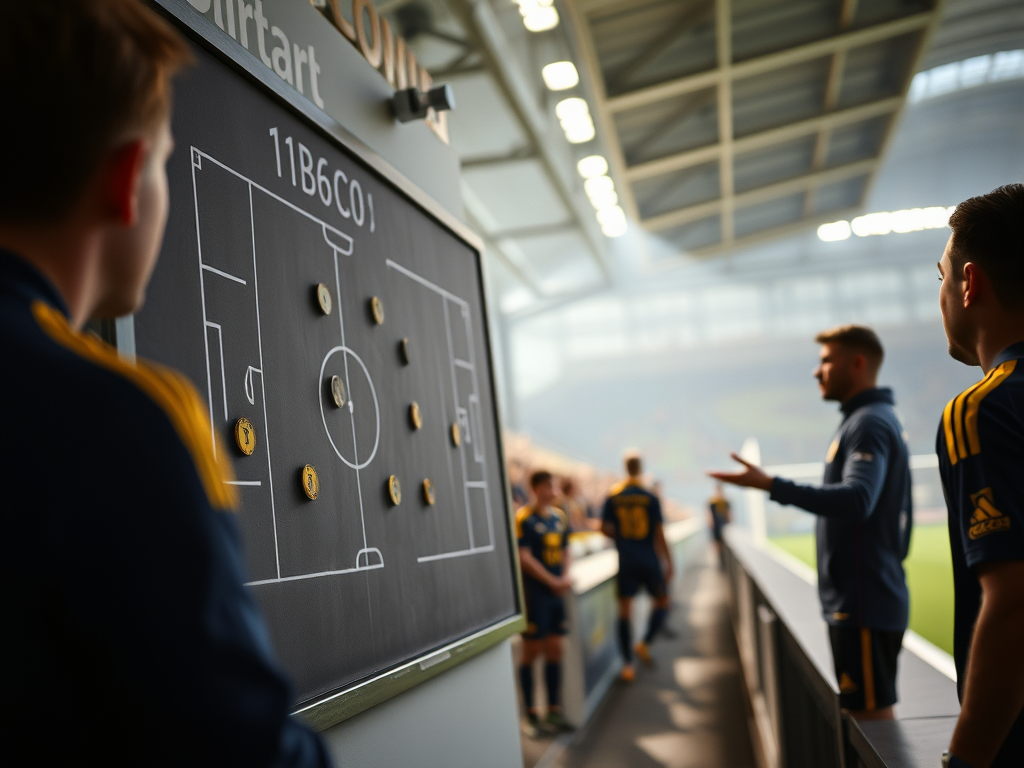
Currently, Hartlepool has been employing a 4-3-3 formation that aims to provide width and attacking options. This system allows for dynamic wing play but has left the midfield somewhat exposed, particularly when transitioning from attack to defense. Opponents have exploited this vulnerability by pressuring the midfielders and forcing turnovers, leading to counter-attacks that have caused problems for the defence.
One observation from recent performances is that the midfield trio often struggles to maintain possession under pressure, leading to quick ball recovery for rival teams. The physicality and energy of the National League mean that without a robust midfield presence, Hartlepool can become easily overwhelmed.
Suggested Tactical Tweaks
To address these issues, a shift to a 4-2-3-1 formation could provide the necessary balance. This setup not only strengthens the midfield by adding an extra pivot but also allows for more fluidity in the attack. The two deeper midfielders can help control the pace of the game, offering both defensive cover and support for the attacking players.
In this revised formation, the inclusion of a dedicated defensive midfielder would be crucial. This player would serve as a shield for the back four and help in recycling possession, which is vital when facing teams that press high. Their role would involve breaking up opposition attacks and distributing the ball effectively, allowing the more creative players to push forward.
Adjusting Player Roles
Additionally, tweaking player roles within the attacking unit could yield positive results. The current wingers have shown potential, but they often track back too deep, leaving the front line isolated. Encouraging them to focus on offensive duties while the full-backs provide width will create more space for the central attacking midfielder to exploit. This setup could lead to more goal-scoring opportunities, as well as a more cohesive attacking strategy.
Moreover, the central forward should be instructed to drop deeper at times to engage the midfield and create overloads. This movement can pull defenders out of position and create gaps for the wingers and attacking midfielder to exploit.
Conclusion
By embracing these tactical tweaks, Hartlepool can develop a more resilient and fluid playing style that capitalizes on their strengths while addressing current weaknesses. With the right adjustments, Pools have the potential to reclaim their place in the upper echelons of the National League and bring back the excitement to The Suit Direct Stadium. As the season progresses, fans will be eager to see how these changes manifest on the pitch and contribute to a stronger Hartlepool side.