 Hartlepool Hub
Fine-Tuning Hartlepool's Tactics for Greater Impact
As Hartlepool United navigates the challenging waters of the National League, their recent form has sparked optimism among supporters. However, while the squad has displayed flashes of brilliance, a closer look at their tactical framework reveals opportunities for refinement. Here, we’ll explore the existing strategies and suggest some adjustments that can potentially enhance the Pools' performance in the weeks to come.
Current Tactical Overview
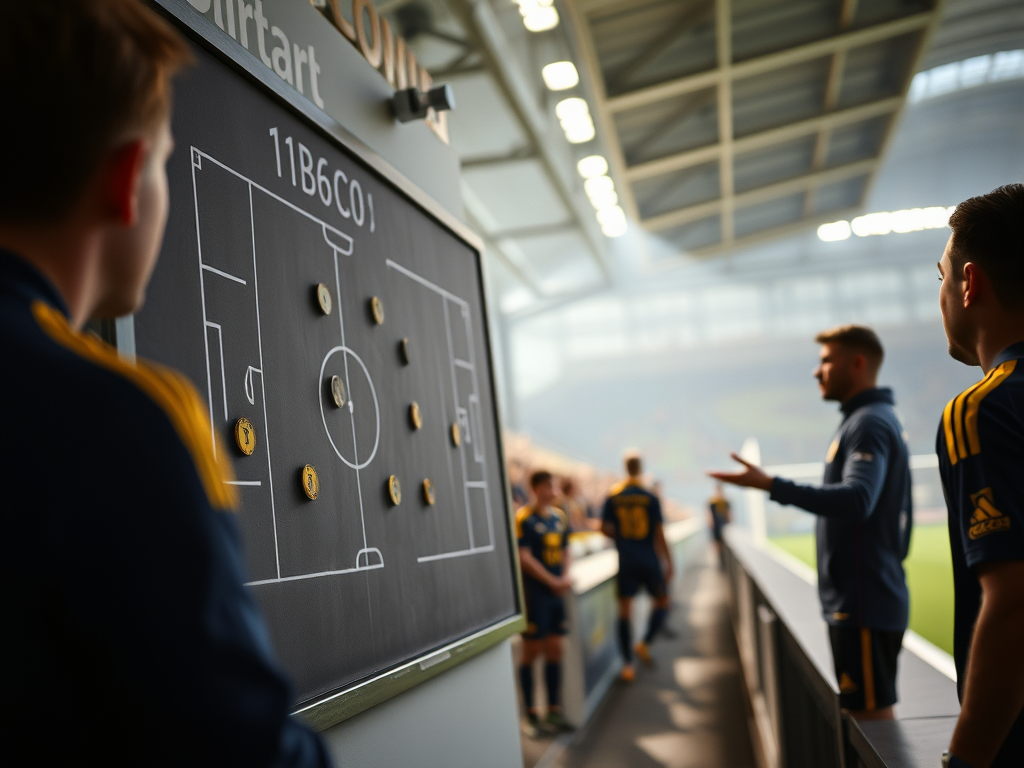
Hartlepool has predominantly employed a 4-2-3-1 formation, which allows for a solid defensive structure while also providing avenues for attacking play. The double pivot in midfield has been effective in breaking up opposition attacks and maintaining possession, with N. Ferguson often leading the charge. However, while the setup has provided a reasonable foundation, there are areas where tweaks could yield greater dividends.
Midfield Dynamics
The midfield partnership is crucial for dictating the tempo and flow of the game. Currently, the two holding midfielders tend to sit deep, which, while defensively sound, can stifle creativity in the final third. One potential adjustment could be to encourage one of these players, perhaps N. Ferguson, to push forward more frequently, creating an overload in attacking areas and allowing the attacking midfield trio to operate with greater fluidity. This could also help in transitioning from defense to attack, catching opponents off guard and exploiting gaps left in their structure.
Wingers and Width
The wingers, particularly on the flanks, have been vital in stretching the pitch and creating space for central players. However, there have been instances where the play becomes too predictable, with wingers cutting inside rather than utilizing the width available. Encouraging wingers to stay wide and engage full-backs would not only stretch the opposition’s defense but also create more crossing opportunities. This could be complemented by the full-backs, who should look to overlap and provide additional attacking options.
Pressing Strategy
Hartlepool has shown signs of an effective pressing game, but there have been moments of inconsistency. Implementing a more cohesive pressing strategy could disrupt the opponent’s build-up play and regain possession in advanced areas. It would be beneficial for the front line to coordinate their pressing efforts more effectively, ensuring that they cut off passing lanes and force opponents into making hurried decisions. A well-organized press can lead to turnovers in dangerous areas, giving Hartlepool a greater chance to capitalize on their opponents' mistakes.
Defensive Solidity
While Hartlepool has displayed resilience at the back, the defensive line occasionally appears vulnerable to quick transitions. To combat this, it might be worthwhile to adopt a more conservative approach when possession is lost, ensuring that players are immediately aware of their defensive responsibilities. A slight tweak to the defensive line’s positioning—perhaps dropping deeper in certain situations—could help mitigate counter-attacks, especially against teams that excel in pace and direct play.
Conclusion
As Hartlepool looks to build on their recent performances, these suggested tweaks could provide the necessary edge to transform promising displays into consistent results. By refining their midfield dynamics, enhancing width in attack, adopting a coordinated pressing strategy, and strengthening defensive solidity, the Pools can position themselves as a formidable force in the National League. The key will be balancing these adjustments while maintaining the identity and spirit that Hartlepool fans cherish. With the right tweaks, the journey to success at The Suit Direct Stadium could gain even more momentum.